Gymnastics Clubs in Happy Valley
Compare 1 rated gymnastics club business in Happy Valley, South Australia.
Gymnastics Clubs in Happy Valley
Gymnastics Clubs in Other South Australia Cities
Frequently Asked Questions About Gymnastics Clubs in Happy Valley
Children can begin gymnastics from as young as eighteen months to two years old through KinderGym or parent-and-child programmes, which focus on movement, coordination and confidence rather than formal skills. From around three to five years, dedicated preschool classes introduce basic shapes, rolls and balance activities in a structured but playful setting. Recreational classes for school-aged children typically start from five or six years, progressing through beginner to advanced levels as kids grow. Teens and adults can also find classes suited to their age and ability at many clubs. South Australian school terms generally shape how class timetables are organised, so checking when each Happy Valley club's term begins is a practical first step when enrolling.
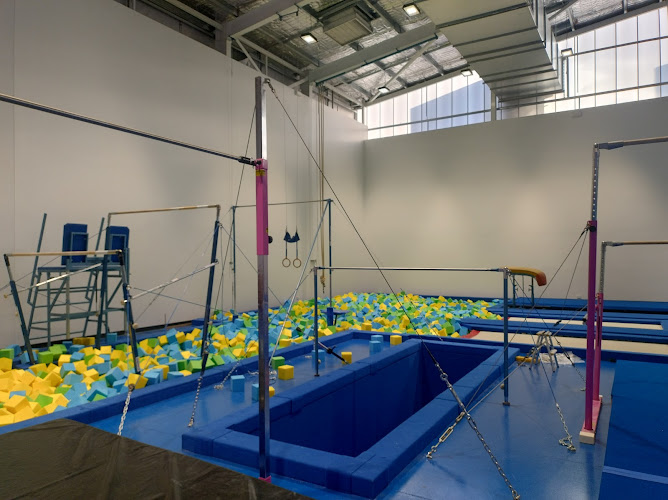
Start by thinking about what your child actually wants, recreational fun, a social activity, or a pathway toward competition. On this directory you can compare Happy Valley gymnastics clubs by their overall rating, the programmes and age groups they offer, and the apparatus and facilities they have on-site. Some clubs run KinderGym for toddlers, holiday camps, birthday parties or open gym sessions, which adds flexibility for families. Others specialise in competitive squads across disciplines such as WAG, MAG, rhythmic, trampoline or acrobatics. Checking whether a club is affiliated with Gymnastics Australia is worthwhile, as affiliation generally means coaches hold recognised accreditations and the club follows national safe-sport policies. Visiting a club before committing and asking whether a trial class is available is always a sound approach.
Recreational gymnastics is designed for participation, fitness and enjoyment. Classes run once or twice a week during the school term, cover a broad range of skills across apparatus, and suit children who want to try the sport without a heavy time commitment. Competitive gymnastics, by contrast, involves training in a specific discipline, such as women's artistic, men's artistic, rhythmic, trampoline, tumbling or acrobatics, and preparing for sanctioned competitions through Gymnastics Australia's state and national pathways. Squad training typically requires several sessions per week and a greater commitment from both child and family. In South Australia, competitive gymnasts often travel to other parts of Adelaide or interstate for higher-level events. Many children begin recreationally and transition to a squad only if they show strong interest and aptitude.
Fees vary considerably between clubs and depend on the type of programme, the age group, and how many sessions per week are involved. Recreational classes are usually charged on a term basis, with the cost per term reflecting the number of weeks and session length. Some clubs also offer casual rates or trial sessions for new families. Competitive squad fees are structured differently, often covering coaching across multiple weekly sessions, and families should also factor in competition entry fees, uniform costs and gymnastics registration through Gymnastics Australia, which typically includes personal injury insurance cover. Camps, birthday parties and open gym sessions are usually priced separately. Because fees differ from club to club, the most reliable approach is to use this directory to compare Happy Valley clubs directly and contact those that interest you for current pricing.
A first gymnastics class is usually welcoming and low-pressure, particularly for younger children. The session will generally open with a warm-up, often games or movement activities, before children rotate through stations or apparatus such as the floor, beam, bars or vault, depending on the club's setup and the age group. Coaches will demonstrate skills and support children physically as they attempt new movements, so your child does not need any prior experience. Comfortable, fitted clothing without zips or buttons is recommended, and bare feet or gymnastics socks are standard in Australia. Younger children in preschool or KinderGym programmes will follow a more play-based format. It helps to arrive a little early, let the coach know it is your child's first session, and reassure your child that trying is all that is expected.