Best Gymnastics Clubs in Wagga Wagga
Compare trusted Wagga Wagga gymnastics clubs for recreational classes, competitive squads, KinderGym and holiday programs, then call the right one direct.
Gymnastics Clubs in Other New South Wales Cities
About gymnastics clubs in Wagga Wagga
Compare 4 rated gymnastics club businesses in Wagga Wagga, New South Wales.
Frequently Asked Questions About Gymnastics Clubs in Wagga Wagga
Children can begin gymnastics from as young as eighteen months to two years old through KinderGym or preschool movement programmes, which focus on basic coordination, balance, and body awareness in a playful setting. From around five or six, children typically move into structured recreational classes where they are introduced to apparatus such as the beam, bars, vault, and floor.
Many Wagga Wagga clubs organise their classes into age-based groups so children progress alongside peers at a similar developmental stage. Starting early is not a requirement for enjoyment or even competitive success later on, but earlier exposure does help children build fundamental movement skills.
Teenagers and adults who are new to gymnastics can also find beginner classes at some clubs, so age is rarely a barrier to getting started.
Start by considering what your child actually wants from gymnastics, fun recreational classes, a social KinderGym session, or a pathway into competitive squads such as WAG, MAG, rhythmic, or trampoline. On this directory you can compare Wagga Wagga clubs by their ratings, the programmes and age groups they offer, the apparatus and facilities they have on site, and whether they run extras like holiday camps or birthday parties.
It is worth checking whether a club is affiliated with Gymnastics Australia, which indicates that coaches hold recognised accreditations and the club operates under national safe-sport policies. Practical factors also matter in a regional city like Wagga Wagga: travel time across town, class schedule, and how the club communicates with parents can all influence how sustainable the commitment is for your family week to week.
Recreational gymnastics is designed primarily for fun, fitness, and skill development without the pressure of competition. Children attend once or twice a week during school terms, learn progressively on various apparatus, and move through levels at their own pace.
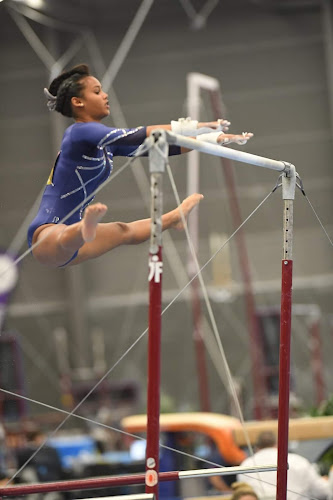
It suits most children who enjoy the sport without wanting an intense schedule. Competitive gymnastics, whether that is Women's Artistic, Men's Artistic, rhythmic, trampoline, tumbling, or acrobatic, involves training several times a week, preparing routines to a specific code of points, and travelling to competitions held across New South Wales and, at higher levels, nationally.
In a regional centre like Wagga Wagga, competitive gymnasts may need to travel to larger cities such as Sydney or Canberra for higher-level events. Many children begin recreationally and are later invited by coaches to trial for a squad if they show aptitude and interest.
Fees vary between clubs and depend on the type of programme, the child's age group, and how many sessions per week are involved. Recreational classes are typically charged on a term basis aligned with the New South Wales school calendar, and the term fee usually covers coaching and basic equipment use.
Some clubs also charge an annual registration or insurance fee on top of term fees. Casual or drop-in options may be available at some venues for open gym or holiday camps, and these are generally priced per session.
Competitive squad fees tend to be higher than recreational fees because of the additional training hours, coaching requirements, and competition costs involved. The best way to compare what each club charges in Wagga Wagga is to view their individual listings on this directory, where fee structures are displayed alongside programme details.
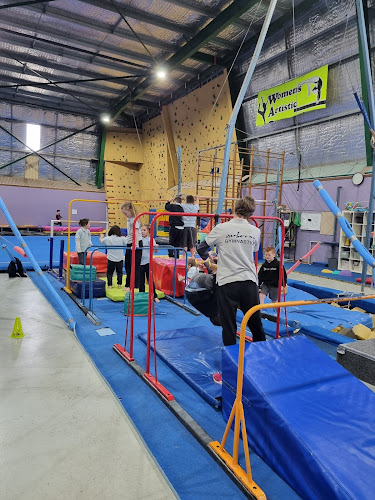
Most first classes start with a warm-up that might include running, stretching, and simple coordination games to get the body ready. Coaches will then guide children through age-appropriate activities on the equipment available at the club, this could mean exploring the floor area, the beam, or a foam pit if the venue has one.
For KinderGym sessions the environment is deliberately playful and parent-accompanied sessions are common for the youngest age groups. Children are grouped by age and ability so your child will be alongside peers at a similar stage.
Coaches will explain and demonstrate each skill before children attempt it, with safety as the priority throughout. It helps to arrive a few minutes early on the first day to meet the coach, ask any questions, and let your child get a feel for the space before the session begins.