Best Gymnastics Clubs in Penrith
Compare trusted Penrith gymnastics clubs for recreational classes, competitive squads, KinderGym and holiday programs, then call the right one direct.
Gymnastics Clubs in Penrith

Gymnastics Clubs in Other New South Wales Cities
About gymnastics clubs in Penrith
Compare 7 rated gymnastics club businesses in Penrith, New South Wales. 1 is noted by reviewers for good value.
Frequently Asked Questions About Gymnastics Clubs in Penrith
Children in Penrith can begin gymnastics from as young as eighteen months to two years old through KinderGym or preschool movement programmes, which are designed for toddlers and young children to develop coordination, balance, and body awareness in a fun, parent-assisted environment. From around three to five years of age, many clubs offer structured preschool gymnastics sessions that introduce basic skills on age-appropriate apparatus.
Recreational classes for school-aged children typically run from five or six years upward, following New South Wales school terms. Teenagers and adults can also find suitable classes at some clubs.
Starting early is not a requirement for enjoying gymnastics or even pursuing a competitive pathway later, so there is genuinely no wrong time to begin.
Start by thinking about what your child actually needs right now. On this directory you can compare Penrith gymnastics clubs by their ratings, the age groups and programmes they run, and the apparatus or facilities they have on site.
If your child is a toddler, look for clubs offering KinderGym or preschool sessions. If you want recreational fun without competition pressure, filter for those programmes specifically.
Families interested in a competitive pathway, whether in women's artistic, men's artistic, rhythmic, trampoline, or acrobatics, should check which squads each club runs. Some clubs also organise holiday camps and birthday parties, which can be a low-pressure first introduction.
Checking whether a club is affiliated with Gymnastics Australia is worth doing because affiliation covers coach accreditation, insurance, and safe-sport standards. Visiting a club before committing is always advisable.
Recreational gymnastics is structured around enjoyment, physical development, and learning fundamental skills at a relaxed pace. Classes typically run once a week during school terms, and children progress through skill levels without any obligation to enter competitions.
It suits the vast majority of children who simply want an active, social activity. Competitive gymnastics involves joining a squad programme where gymnasts train more frequently, often multiple sessions per week, and work toward representing their club at sanctioned events.
In New South Wales, competitive pathways are overseen through Gymnastics Australia and cover disciplines including women's and men's artistic, rhythmic, trampoline, tumbling, and acrobatics. Coaches usually identify children who show aptitude and interest, though parents can also enquire directly.
Competitive training demands a greater time commitment from the whole family, including travel to competitions held across the greater Sydney and regional New South Wales area.
Fees between clubs in Penrith vary considerably, so the directory listings are the most reliable place to compare current costs. As a general guide, recreational gymnastics is almost always charged on a school-term basis, covering a set number of weekly classes per term.
On top of term fees, clubs typically charge an annual registration or membership fee, which usually includes insurance cover through Gymnastics Australia affiliation. Competitive squad programmes are structured differently, with training costs reflecting the higher number of sessions per week, plus separate charges for competition entries, uniforms, and travel.
Holiday camps and casual open-gym sessions, where clubs offer them, are generally charged per session rather than by term. Asking each club exactly what is included in their fees, and what additional costs to expect across a full year, will help you make an informed comparison.
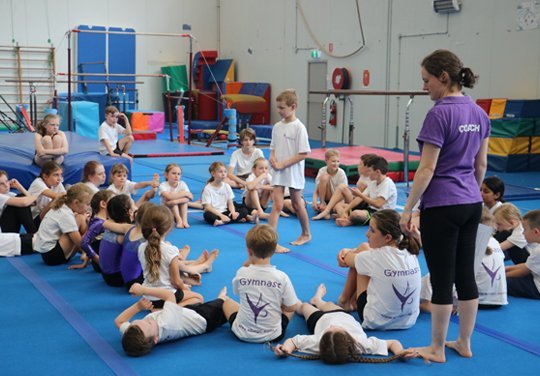
Most first classes in Penrith follow a similar structure regardless of the club. Children begin with a warm-up involving stretching and basic movement games to prepare their bodies safely.
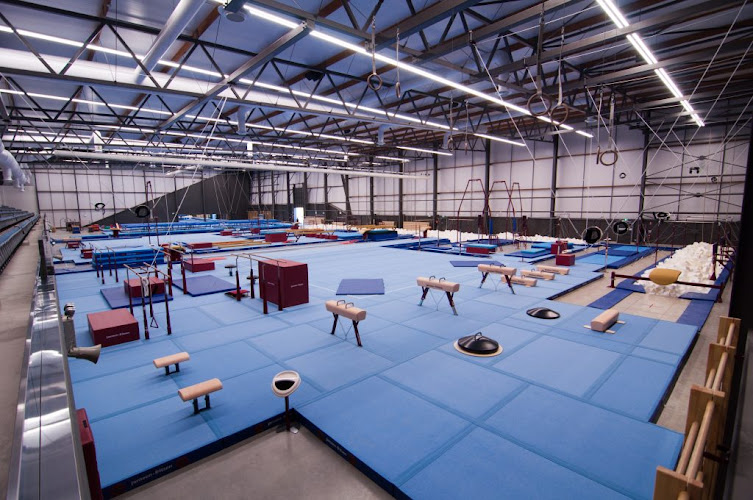
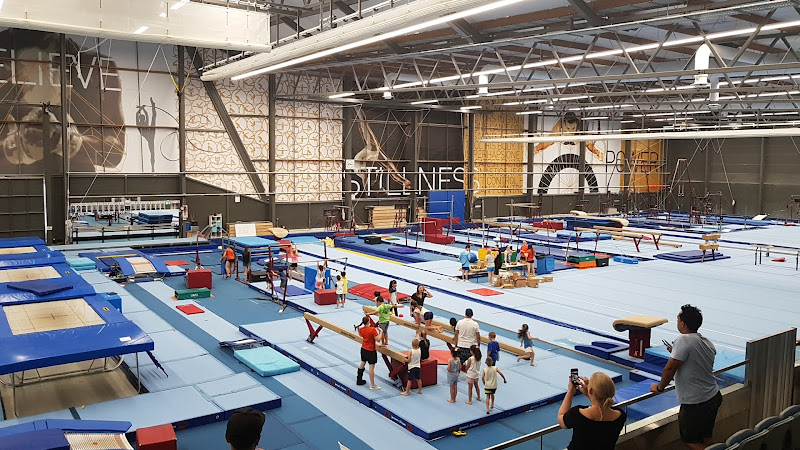
The session then moves through a rotation of apparatus stations, which might include floor exercises, the beam, vault, bars, or a foam pit depending on the age group and what equipment the club has available. Coaches assess where each child is starting from and adjust activities to suit their current ability, so there is no need to worry about prior experience.
Children are encouraged rather than pressured, and the atmosphere in recreational classes is generally relaxed and social. Arriving a few minutes early, wearing comfortable fitted clothing without zips or buttons, and removing shoes and jewellery beforehand will help your child settle in quickly and get the most from the session.