Gymnastics Clubs in Cumberland Park
Compare 2 rated gymnastics club businesses in Cumberland Park, South Australia. Ratings range from 4.5 to 4.7 stars.
Gymnastics Clubs in Cumberland Park
Gymnastics Clubs in Other South Australia Cities
Frequently Asked Questions About Gymnastics Clubs in Cumberland Park
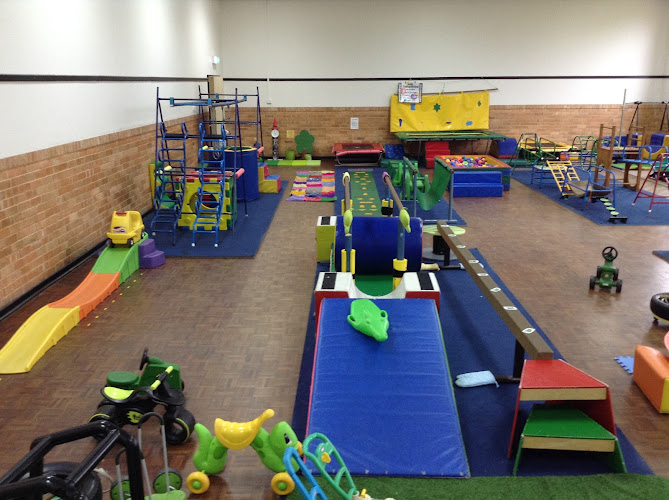
Children can begin gymnastics from as young as eighteen months to two years old through structured parent-and-child programmes, often called KinderGym or preschool gymnastics. These early sessions focus on movement, coordination and confidence rather than formal skills, and a parent or carer participates alongside the child. From around three to five years old, children typically move into junior preschool classes where they begin working more independently with a coach. Recreational gymnastics classes for school-aged children usually start from five or six years upward. There is no upper age limit for recreational gymnastics, and many clubs in the Cumberland Park area welcome teenagers and adults who want to try classes for fitness or fun. Starting early has advantages for physical development, but children who begin at eight or ten can still progress well and even pursue competitive gymnastics if they show aptitude and enthusiasm.
Start by thinking about what your child actually needs right now, recreational fun, a social activity, or the beginning of a competitive pathway. On this directory you can compare clubs serving the Cumberland Park area by their overall rating, the programmes they list, and the age groups they cater for. Check whether a club runs KinderGym for younger children, holiday camps, birthday parties, or open gym sessions, as these extras can be handy. Look at the apparatus and facilities each club has, since clubs equipped with a full range of apparatus are better placed to develop skills across all disciplines. It is also worth checking whether a club is affiliated with Gymnastics Australia, which signals that coaches hold recognised accreditations and that safe-sport and insurance requirements are met. Visiting a shortlisted club for a trial class before committing to a full term is always a sensible step.
Recreational gymnastics is designed for children who want to learn skills, build fitness and have fun without the commitment of competitions. Classes run through the school term at a pace that suits the group, and participation is the priority rather than performance outcomes. Competitive gymnastics involves training in a recognised discipline, such as women's artistic, men's artistic, rhythmic, trampoline, tumbling or acrobatic gymnastics, and working toward club, state and national competitions. Training hours are considerably higher, often spanning multiple sessions per week, and gymnasts are assessed against set skill levels. In South Australia, competitive gymnasts typically progress through Gymnastics Australia's levels framework, which sets the skills required at each stage. Many children begin recreationally and are later invited by their coaches to trial for a squad if they show ability and keenness. Neither path is better than the other, it comes down to your child's goals, temperament and the time your family can commit.
Fees vary considerably between clubs and depend on the type of programme, the number of sessions per week and the level at which your child trains. Recreational classes are usually charged on a school-term basis, and the term fee typically covers coaching and the club's Gymnastics Australia insurance levy, though some clubs also charge a one-off annual registration fee. Casual or drop-in options, where available, are generally priced per session and tend to work out higher than a term commitment. Competitive squad fees are structured differently because athletes train for more hours each week and clubs invest in higher-level coaching and equipment. Squads may also involve separate costs for competition entries, uniforms and travel, particularly when state-level events are held in other parts of South Australia. The most reliable way to compare what clubs in the Cumberland Park area actually charge is to check their individual listings on this directory, where fee structures and inclusions are shown.
Most first classes are relaxed and welcoming, with coaches focused on settling new children into the environment rather than pushing skills immediately. Your child will likely start with a warm-up involving running, jumping and stretching games, which helps build body awareness in a fun way. From there, the class will move through a rotation of apparatus, typically floor, vault, bars and beam for girls' artistic programmes, or floor, vault, rings, pommel horse, parallel bars and high bar for boys', with coaches demonstrating and spotting each skill. For younger children in KinderGym sessions, the emphasis is on exploration and play across age-appropriate equipment. It is normal for children to feel a little shy or overwhelmed in the first session, so many clubs encourage parents to stay nearby, especially for preschool ages. Wearing fitted, comfortable clothing, leggings or shorts and a fitted top, is standard, and bare feet are the norm on most gymnastics apparatus.