Gymnastics Clubs in Research
Compare 1 rated gymnastics club business in Research, Victoria.
Gymnastics Clubs in Research
Gymnastics Clubs in Other Victoria Cities
Frequently Asked Questions About Gymnastics Clubs in Research
Most gymnastics clubs offer programmes for children as young as eighteen months to two years through structured parent-and-child sessions, where carers join in to help build movement confidence. From around three to five years, KinderGym and preschool classes let children explore basic gymnastics skills in a fun, age-appropriate environment. Formal recreational classes typically begin at about five or six years, once children can follow group instructions independently. Competitive squads generally start identifying interested children from around six to eight years, though this varies by discipline, rhythmic gymnastics, trampoline, and artistic each have their own development timelines. There is no strict cut-off at the upper end either; many clubs in and around Research run adult or teen recreational classes for those starting later in life.
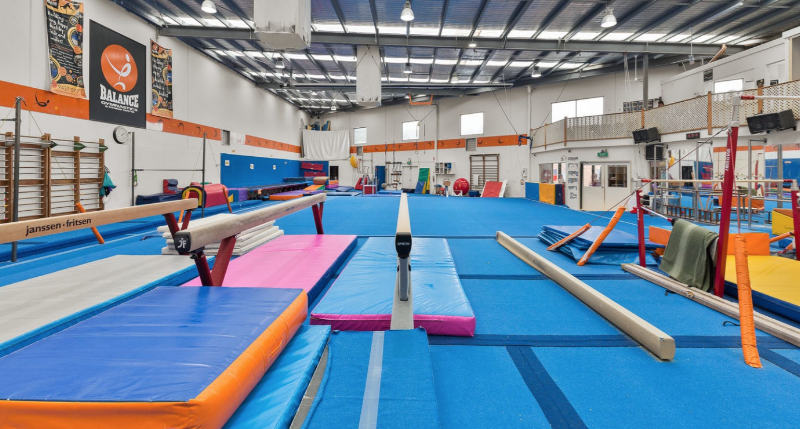
Start by considering what your child actually wants, recreational fun, a social activity, or a competitive pathway. On this directory you can compare gymnastics clubs near Research by their ratings, the programmes they offer, and the age groups they cater to. Check whether a club runs KinderGym for younger children, holiday camps, birthday parties, or open gym sessions, as these often reflect how welcoming a venue is to families at different stages. Look at the apparatus and facilities listed, since a club with a foam pit, trampoline, or beam setup suited to your child's interest matters. It is also worth confirming whether a club is affiliated with Gymnastics Australia, as affiliation indicates accredited coaches, insurance coverage, and adherence to safe-sport policies. Visiting in person to watch a class before enrolling is always a sound step.
Recreational gymnastics is designed around participation, physical development, and enjoyment. Classes run during school terms and follow a structured but relaxed progression through skills on floor, beam, bars, vault, or trampoline, depending on the club. There is no pressure to compete, and children can move through levels at their own pace. Competitive gymnastics involves training in a recognised discipline, such as Women's Artistic, Men's Artistic, rhythmic, trampoline, tumbling, or acrobatic gymnastics, with the goal of participating in sanctioned competitions under Gymnastics Australia's pathway. Training hours are significantly higher, and selection into a squad usually follows an assessment. For families in Research, clubs offering competitive squads may require travel to competitions held across Victoria, so it is worth understanding the time and logistical commitment before making the move from recreational to competitive training.
Fees vary considerably between clubs depending on the programme, class duration, frequency, and facilities on offer. Recreational classes are generally charged on a per-term basis aligned with Victorian school terms, with the cost covering tuition and often including Gymnastics Australia membership or insurance where the club is affiliated. Some clubs also offer casual or trial sessions at a different rate. Competitive squad fees are structured differently, typically reflecting the higher volume of training hours, coach accreditation requirements, and competition-related expenses such as uniforms and registration fees. Preschool and KinderGym programmes may be priced separately from older-age classes. Rather than relying on a general estimate, families can view and compare the specific fee structures of gymnastics clubs in Research directly through the listings on this directory, where contact details are provided to ask clubs about current term rates.
Most first classes begin with a warm-up, often games or stretching activities that help children get comfortable in the space and with the coach. From there, the group typically rotates through a series of stations covering basic skills such as forward rolls, balances, jumps, and introductory apparatus work suited to their age group. Coaches focus on building body awareness and confidence rather than perfecting technique in that first session. Children are encouraged rather than pressured, and it is normal for some to take a few weeks to fully settle in. Parents of younger children in KinderGym sessions are usually invited onto the floor to participate. It helps to arrive a few minutes early, dress your child in fitted, comfortable clothing without zips or buttons, and remove jewellery beforehand. Most clubs will advise on footwear, bare feet are standard on gymnastics equipment.