Gymnastics Clubs in Darling Heights
Compare 1 rated gymnastics club business in Darling Heights, Queensland.
Gymnastics Clubs in Darling Heights
Gymnastics Clubs in Other Queensland Cities
Frequently Asked Questions About Gymnastics Clubs in Darling Heights
Children can begin gymnastics from as young as eighteen months through KinderGym or preschool movement programmes, which are designed specifically for toddlers and young children developing coordination, balance, and body awareness. From around five or six years old, children can move into structured recreational classes with more defined skills on apparatus. There is no strict upper age limit either, many clubs in Queensland offer classes for older children, teenagers, and even adults. Starting young has benefits, but children who begin at eight or ten can still progress well and enjoy the sport thoroughly. The key is finding a club near Darling Heights that offers the right programme for your child's current age and stage of development, which you can check on each listing in this directory.
Start by considering what your child actually wants from gymnastics, recreational fun, a social activity, or a competitive pathway through disciplines like WAG, MAG, rhythmic, or trampoline. On this directory you can compare Darling Heights clubs by their ratings, the programmes and age groups they offer, the apparatus and facilities available, and whether they run KinderGym, holiday camps, birthday parties, or competitive squads. Affiliation with Gymnastics Australia is worth checking, as it generally means coaches hold recognised accreditations and the club follows national safe-sport and insurance standards. Visiting a club in person, watching a class, and speaking with the coaches will also give you a strong sense of the culture and how they communicate with parents. Proximity within the Toowoomba area matters too, since regular weekly attendance makes consistency much easier.
Recreational gymnastics is designed around participation, fun, and building foundational movement skills without the pressure of competition. Classes typically run once a week during the school term and are open to a wide range of abilities and ages. Competitive gymnastics, by contrast, involves being selected or assessed for a squad, training multiple times per week, and progressing through levels defined by Gymnastics Australia. Disciplines include Women's Artistic, Men's Artistic, rhythmic, trampoline, tumbling, and acrobatic gymnastics. Competitive gymnasts in Queensland attend sanctioned competitions and may eventually travel beyond Toowoomba for regional or state-level events. Many children start recreationally, discover a talent or passion, and transition to a squad later. Neither path is superior, it depends entirely on your child's goals, availability, and temperament.
Fees vary considerably between clubs and depend heavily on the type of programme. Recreational classes are typically structured around Queensland school terms, so families pay a term fee covering a set number of weekly sessions. That term fee usually includes insurance coverage through the club. Most clubs also charge an annual registration fee when you first enrol or at the start of each year. Competitive squad costs are generally higher, reflecting increased training hours, coaching resources, and competition entry fees. Holiday programmes, birthday parties, and open gym sessions are often priced separately on a casual or per-session basis. Because pricing differs meaningfully from one club to the next, the most reliable approach is to check the individual club listings on this directory and contact clubs directly for a current fee schedule before committing.
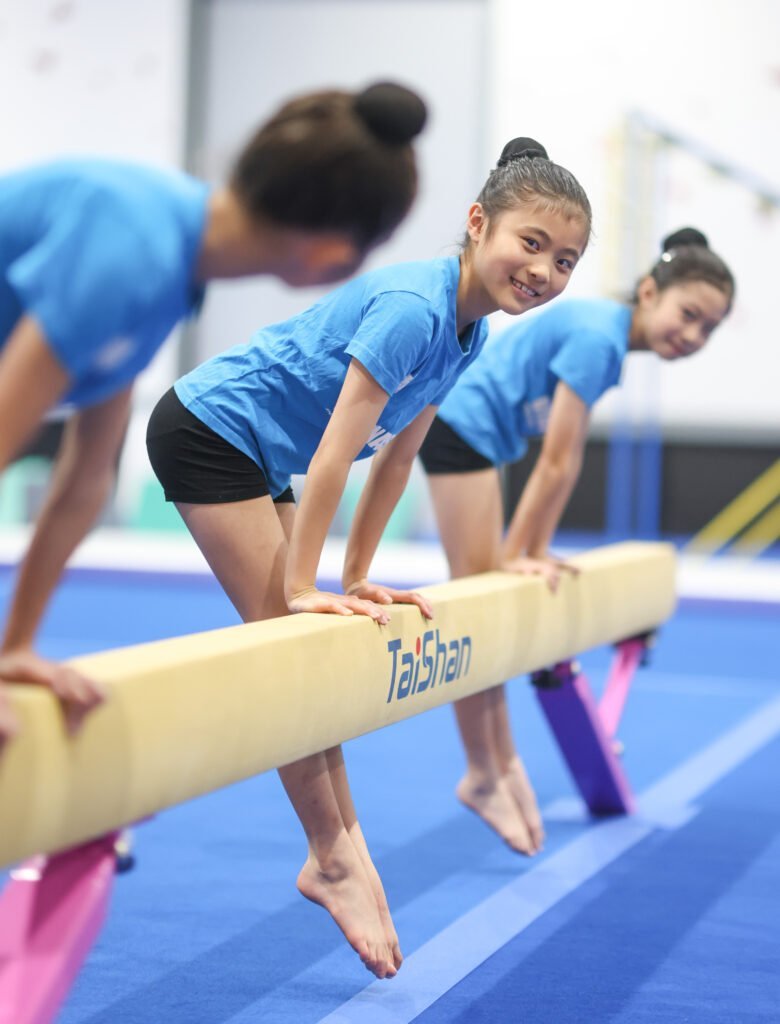
Most first classes are structured to ease children in gently. Coaches will usually introduce themselves, explain basic rules around the gym floor, and run a warm-up that might include running, stretching, or simple movement games. Children then rotate through stations or apparatus, such as floor, beam, bars, or trampoline, under close supervision. For younger children in KinderGym sessions, the emphasis is on play-based exploration rather than technique. Older beginners will start learning foundational shapes and movements like forward rolls, jumps, and basic balances. Class sizes vary by club, so it is worth asking about coach-to-child ratios beforehand. Your child should wear comfortable, fitted clothing and leave jewellery at home. Gymnastics shoes are not typically required, as most skills are practised in bare feet or socks.