Gymnastics Clubs in Marrara
Compare 1 rated gymnastics club business in Marrara, Northern Territory.
Gymnastics Clubs in Marrara
Gymnastics Clubs in Other Northern Territory Cities
Frequently Asked Questions About Gymnastics Clubs in Marrara
Children can begin structured gymnastics from as young as eighteen months to two years of age through KinderGym or preschool movement programmes. These sessions focus on fundamental movement skills, body awareness, and play-based exploration rather than formal gymnastics technique, making them well suited to toddlers and young children. From around five or six years old, children can typically move into a recreational gymnastics class with age-appropriate skills on apparatus. The Northern Territory's school-term calendar generally shapes how classes are timetabled, so programmes usually run across four terms per year. Starting early builds coordination and confidence, but gymnastics is genuinely open to beginners of all ages, and many clubs welcome older children and teens who are trying the sport for the first time.
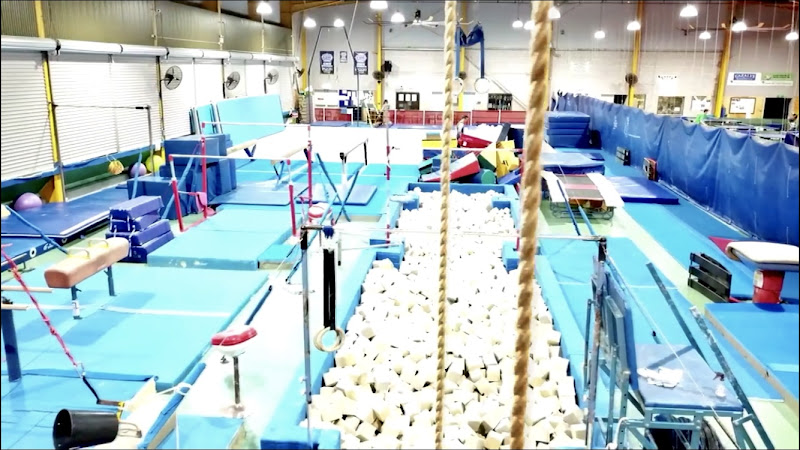
On this directory you can compare gymnastics clubs in Marrara by their ratings and by the specific programmes they offer, including KinderGym for toddlers, recreational classes grouped by age, competitive squads in disciplines such as women's artistic, men's artistic, rhythmic, trampoline, tumbling, or acrobatic gymnastics, as well as holiday camps, birthday parties, and open gym sessions. Checking which age groups each club caters for helps you shortlist options relevant to your child. Look at what apparatus and facilities each venue has listed, and note whether a club is affiliated with Gymnastics Australia, which signals that coaches hold recognised accreditation and that the club follows national safe-sport and child-protection policies. Visiting a shortlisted club before enrolling, and speaking with coaches about their teaching approach, also helps you make a confident decision.
Recreational gymnastics is designed for children who want to learn skills, stay active, and have fun without the commitment of competition. Classes typically run once a week during the school term, covering foundational gymnastics movements across apparatus appropriate to the child's age and ability. Competitive gymnastics, by contrast, involves joining a squad that trains multiple times per week with the goal of representing a club at sanctioned events. In the Northern Territory, competitive gymnasts often need to travel interstate for higher-level competitions, since the state's smaller population means fewer local meets compared with larger states. Families should weigh the time commitment, training frequency, and travel demands of a competitive pathway against a child's current interest and readiness. Many gymnasts begin recreationally and transition to a squad only once a genuine passion for the sport emerges.
Fees vary between clubs and depend on the type of programme, the age group, and how many sessions per week are involved, so it is worth comparing listings on this directory to get a realistic picture for Marrara. Recreational gymnastics is most commonly charged on a per-term basis, and fees generally cover the coached classes for that term. Some clubs also charge a separate annual registration or membership fee, which often includes insurance cover under Gymnastics Australia affiliation. Competitive squad programmes involve more training hours per week and are typically priced differently from recreational classes, reflecting the higher coaching investment. Holiday camps and birthday party bookings are usually priced separately again. Checking each club's listing for its current fee structure, and asking directly about what is included, gives you the clearest basis for comparison.
A first class is generally relaxed and focused on helping new children feel comfortable in the gym environment. Coaches will introduce basic safety rules, explain how to move around the equipment safely, and guide children through foundational movements suited to their age group. In a KinderGym or preschool session, this might involve obstacle courses, jumping, rolling, and balancing activities. Older beginners in a recreational class will start with fundamental gymnastics skills on the floor and introductory apparatus work. Children should wear comfortable, close-fitting clothing with no zips or buckles, and long hair should be tied back. Bare feet or gymnastics-specific footwear are standard. In the Top End's warm climate, staying hydrated matters, so bring a named water bottle. Most children settle in quickly once they see the range of equipment and realise the class moves at a manageable pace.