Best Gymnastics Clubs in Kurunjang
Compare trusted Kurunjang gymnastics clubs for recreational classes, competitive squads, KinderGym and holiday programs, then call the right one direct.
Gymnastics Clubs in Kurunjang
Gymnastics Clubs in Other Victoria Cities
About gymnastics clubs in Kurunjang
Compare 1 rated gymnastics club business in Kurunjang, Victoria.
Frequently Asked Questions About Gymnastics Clubs in Kurunjang
Children in Kurunjang can begin gymnastics from as young as eighteen months to two years old through KinderGym or preschool movement programmes, which focus on balance, coordination and confidence rather than formal skills. These early classes are typically run in short sessions and often allow a parent or carer to participate alongside their child.
From around five or six, most clubs move children into recreational gymnastics classes structured around school terms. There is no upper age limit, many clubs in the Melton area offer classes for older children, teenagers and adults at beginner level.
The key is finding a club whose age group structure and programme style suits where your child is developmentally, which is something you can check directly on each listing in this directory.
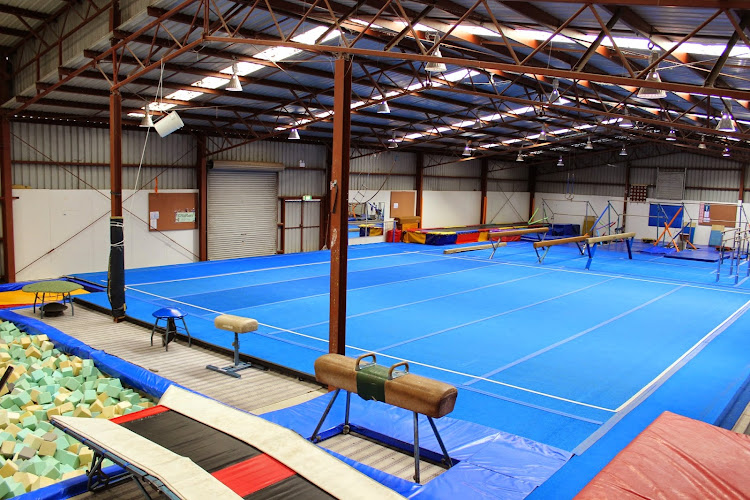
Start by comparing clubs on this directory, where you can filter by the programmes each club runs, KinderGym, recreational classes, competitive squads, holiday camps, birthday parties or open gym, and check which age groups they cater for. Look at the apparatus and facilities each club has listed, since a well-equipped gym matters if your child wants to progress.
Ratings from other families in the Kurunjang and broader Melton area give you a genuine sense of the experience on the ground. Affiliation with Gymnastics Australia is worth noting because it indicates coaches hold recognised accreditations and the club follows safe-sport policies.
Once you have a shortlist, visiting in person to watch a class and speak with the head coach will tell you a great deal about the culture and how coaches interact with children.
Recreational gymnastics is designed for participation, enjoyment and physical development at a child's own pace. Classes run through the school term and children learn fundamental skills across apparatus such as floor, beam, vault and bars without any obligation to compete.
Competitive gymnastics, which in Victoria includes Women's Artistic Gymnastics, Men's Artistic Gymnastics, rhythmic, trampoline, tumbling and acrobatics, involves training in squads, usually several sessions a week, and progressing through Gymnastics Australia's competition levels. Competitive gymnasts represent their club at regional and state events, and the training commitment and time involved increase significantly as levels rise.
Many children start in recreational classes and transition into a squad if their club offers a development pathway and they show both ability and enthusiasm for the extra training.
Fees vary between clubs and are listed on each club's page in this directory, so the best approach is to compare them directly there. As a general guide, recreational gymnastics is usually charged on a per-term basis aligned with Victorian school terms, with the fee covering a set number of weekly classes.
Most clubs also charge an annual registration or membership fee that typically covers Gymnastics Australia insurance. Competitive squad fees are structured differently, they generally reflect the higher number of training hours per week and may be invoiced monthly or by term.
Holiday camps and birthday party packages are usually priced separately. Before enrolling, it is worth asking each club exactly what is included in their fee, whether a uniform or leotard is required, and what the cancellation or credit policy is if your child misses a class.
On their first day your child will typically be welcomed by a coach, introduced to the gym space and grouped with others of a similar age or ability. Most beginner and recreational classes start with a warm-up involving games or movement activities to get children comfortable in the space.
From there, the session usually rotates through different apparatus stations, floor work, a small beam, a vault or springboard, and sometimes bars, with a coach guiding each group. The focus in early classes is on fundamental movement patterns, listening to instruction and building confidence rather than perfecting technique.
Children should wear fitted, stretchy clothing or a leotard, and bare feet are the norm on floor and apparatus. Arriving a few minutes early to fill in any enrolment paperwork and ask the head coach about the programme structure will help the first visit run smoothly.