Best Gymnastics Clubs in Beenleigh
Compare trusted Beenleigh gymnastics clubs for recreational classes, competitive squads, KinderGym and holiday programs, then call the right one direct.
Gymnastics Clubs in Beenleigh
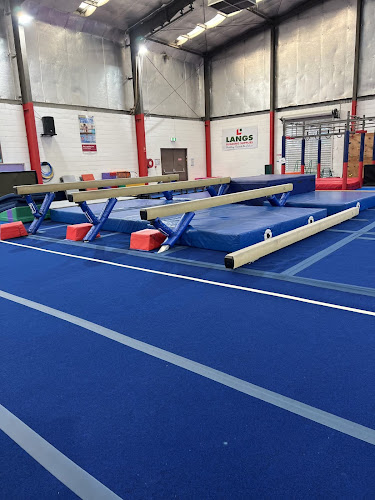
Gymnastics Clubs in Other Queensland Cities
About gymnastics clubs in Beenleigh
Compare 1 rated gymnastics club business in Beenleigh, Queensland. 1 is noted by reviewers for good value.
Frequently Asked Questions About Gymnastics Clubs in Beenleigh
Children can begin gymnastics from as young as eighteen months to two years old through KinderGym or preschool movement programmes, which are designed around play-based learning rather than structured technique. These early classes focus on coordination, balance, and confidence on age-appropriate equipment.
From around five or six years old, children typically transition into recreational gymnastics classes with more structured skill progressions. Queensland clubs generally follow the school term calendar, so there are natural enrolment points at the start of each term.
Teens and adults can also begin gymnastics at any stage, with many clubs offering classes specifically for older beginners. Starting early is not essential for recreational enjoyment, and even children who begin at eight or nine can still progress well.
Start by thinking about what your child actually wants from gymnastics, recreational fun, a social activity, or eventually a competitive pathway in women's artistic, men's artistic, rhythmic, trampoline, or acrobatic gymnastics. On this directory you can compare Beenleigh gymnastics clubs by their ratings, the programmes and age groups they run, the apparatus and facilities they have available, and whether they offer KinderGym, holiday camps, birthday parties, or competitive squads.
It is also worth checking whether a club is affiliated with Gymnastics Australia, which affects coach accreditation, insurance, and access to a formal competition pathway. Proximity matters too, clubs in the southern Brisbane corridor vary in how far families need to travel, particularly if your child eventually joins a competitive squad requiring multiple sessions per week.
Visiting a club before committing is always worthwhile.
Recreational gymnastics is structured around enjoyment, physical development, and learning fundamental skills at a relaxed pace. Classes run once a week during the school term and suit children who want to try gymnastics without the pressure of competitions.
Competitive gymnastics, by contrast, involves training several times per week across disciplines such as women's or men's artistic gymnastics, rhythmic gymnastics, trampoline, tumbling, or acrobatic gymnastics. Competitive gymnasts work toward state and national levels through Gymnastics Australia's competition framework, which includes junior development and performance pathways.
Clubs with competitive squads typically select or invite gymnasts based on ability and commitment. Many children begin in recreational classes and are later identified as having an interest or aptitude for squad training.
Neither path is better, it depends entirely on the child's goals and the family's capacity for the associated time commitment.
Fees vary considerably between clubs, and the most reliable way to compare costs is to check each club's listing on this directory or contact clubs directly. Recreational gymnastics is typically charged on a term-by-term basis aligned to the Queensland school calendar, which runs four terms per year.
That fee usually covers coaching for each session and may include equipment use, though some clubs also charge a separate annual registration or insurance fee. Casual or trial class options are sometimes available for families wanting to try before committing to a full term.
Competitive squad fees are structured differently because training is more frequent and often involves additional costs such as competition entries, uniforms, and travel to events held around Queensland. KinderGym, holiday camps, and birthday party bookings each tend to have their own pricing structures separate from term programmes.
First classes are generally welcoming and low-pressure. Coaches will typically begin with a warm-up involving games or movement activities suited to the age group, which helps children settle in and feel comfortable.
From there, the session moves through a rotation of apparatus stations, floor, beam, bars, vault, or smaller-scale equipment for younger children, with coaches providing instruction and spotting as needed. Children do not need prior experience; coaches are trained to work with complete beginners.
Wearing fitted, comfortable clothing without zips or buttons is usually required, and bare feet or gymnastics shoes are standard for floor and apparatus work. Hair should be tied back securely.
Most clubs recommend arriving a few minutes early for the first session to complete any enrolment paperwork. Children who feel nervous often settle quickly once they see the equipment and join in alongside their peers.